
Endometriosis Surgery: What to Expect
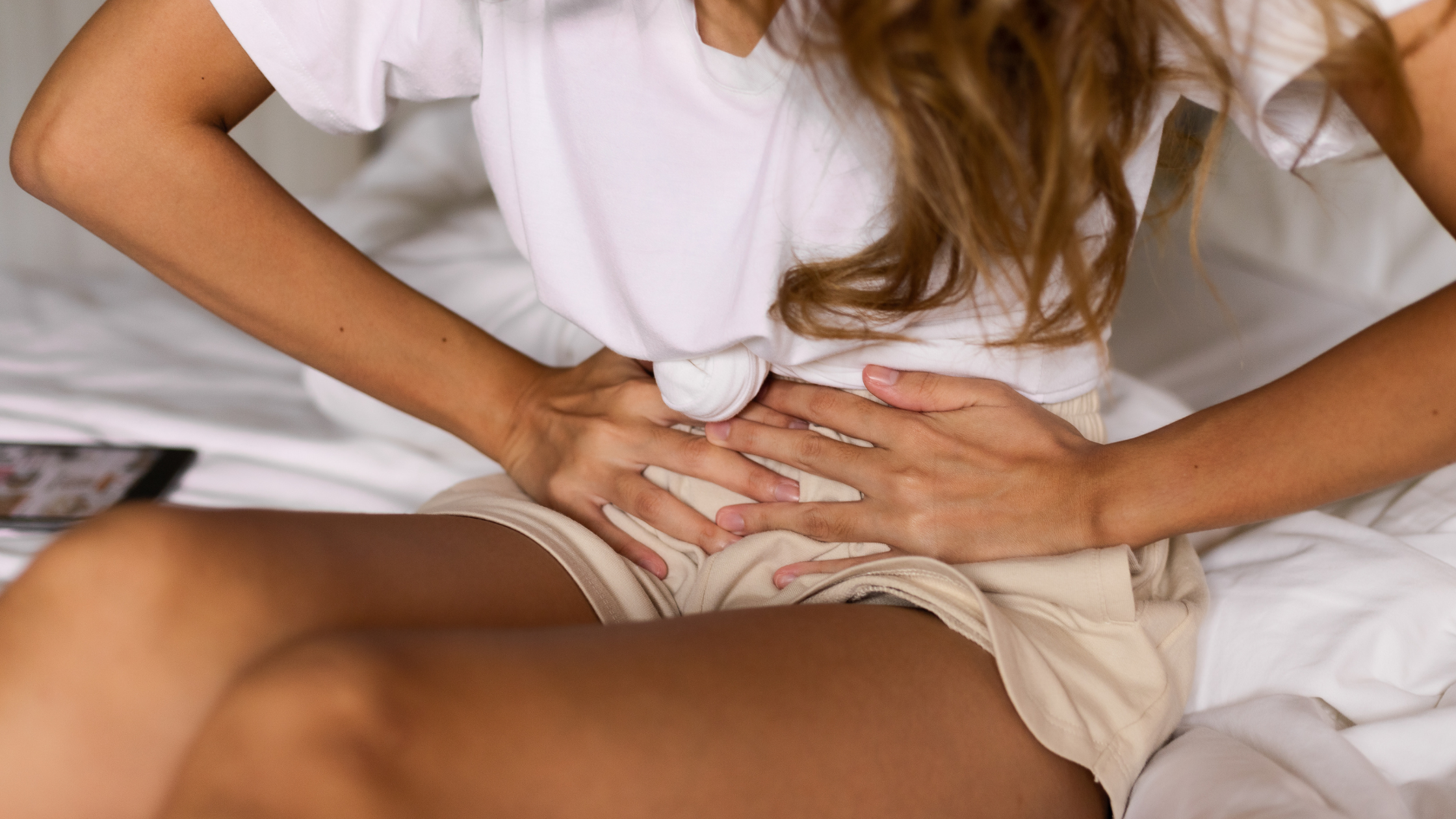
If your doctor has started talking about surgery for endometriosis, you probably have questions.
What happens during endometriosis surgery?
What does excision mean?
And what does recovery look like?
At the Kaldas Center, we make an important distinction between managing endometriosis symptoms and treating the endometriosis itself.
Medications or hormonal therapies may help reduce pain, bleeding, or other symptoms. But they don’t remove the endometriosis tissue that’s already there.
When endometriosis itself needs to be treated, Kaldas Center’s approach is minimally invasive laparoscopic excision surgery.
Why is surgery used for endometriosis?
Endometriosis happens when tissue similar to the lining of the uterus grows outside of the uterus.
Medication may help control symptoms, but it doesn’t remove that tissue.
At the Kaldas Center, surgery is used to find and remove the endometriosis itself rather than only managing the discomfort it causes.
Before recommending surgery, the first priority is making sure we understand what’s actually causing your symptoms.
That means listening carefully to your history, symptoms, previous treatment, imaging, fertility goals, and other health concerns.
The goal is to get the diagnosis right and avoid unnecessary treatment.
What is laparoscopic endometriosis surgery?
Laparoscopy is a minimally invasive surgical approach that uses small incisions in the abdomen.
A thin camera called a laparoscope allows the surgeon to carefully examine the pelvis. Small surgical instruments can then be used through additional incisions.
At the Kaldas Center, the goal isn’t simply to look for endometriosis and stop there.
When surgery is performed for suspected endometriosis and disease is identified, we excise the endometriosis during the same procedure.
This helps avoid a situation where a patient goes through one surgery just to identify the disease and then has to return for another surgery to actually treat it.
What does endometriosis excision mean?
Excision means surgically removing visible endometriosis tissue from the areas where it has grown.
This is different from simply controlling symptoms with medication.
Kaldas Center has long used laparoscopic excision as its surgical approach to endometriosis because the goal is to address the underlying disease and restore normal anatomy as much as possible.
The location and extent of endometriosis can vary significantly from one patient to another.
That’s one reason experience matters.
What should happen before surgery?
Before endometriosis surgery, your surgical team should carefully review:
Your symptoms
Where and when you experience pain
Previous imaging
Previous surgeries
Treatments you’ve already tried
Medications
Your reproductive history
Future pregnancy goals
You should also understand what the surgeon is planning to do, what they believe may be causing your symptoms, the possible risks, and what recovery may look like.
This is the time to ask questions.
You shouldn’t leave the conversation unsure about what’s being recommended or why.
What happens during the procedure?
During laparoscopy, the surgeon examines the pelvis for endometriosis and scar tissue.
Endometriosis can involve areas such as:
The ovaries
Fallopian tubes
Tissue surrounding the uterus
Pelvic lining
Bladder
Bowel
Other nearby structures
Adhesions, which are bands of scar tissue, may also affect the normal position or movement of pelvic organs.
When endometriosis is identified, the goal of excision surgery is to carefully remove the visible disease and address related scar tissue while preserving healthy tissue and reproductive organs whenever possible.
Kaldas Center’s surgical philosophy is to treat the condition as completely as possible the first time rather than performing a look-only procedure and leaving known disease untreated.
What does recovery look like?
Recovery depends on how extensive the endometriosis is and what needs to be done during surgery.
Because laparoscopy uses small incisions, recovery is generally shorter than with traditional open abdominal surgery.
After surgery, you may experience:
Fatigue
Soreness around the incisions
Abdominal discomfort
Nausea from anesthesia
Temporary shoulder discomfort from the gas used during laparoscopy
Your surgical team will give you instructions for activity, medication, incision care, driving, exercise, work, and follow-up.
The best recovery estimate is that most women are able to return to work in a few days up to 2 weeks.
Can endometriosis surgery help with fertility?
Endometriosis can interfere with fertility in several ways, including inflammation, scar tissue, and changes to normal pelvic anatomy.
For patients who hope to become pregnant, fertility goals should be part of the surgical plan from the beginning.
Laparoscopic excision can remove endometriosis and scar tissue while allowing the uterus and ovaries to remain in place.
By addressing the underlying disease and restoring anatomy as much as possible, surgery will lead to 50-80% of patients will conceive on their own within 6 months of excisional therapy.
Every fertility situation is different, so your age, reproductive history, disease location, and other fertility factors still matter.
Does surgery mean having a hysterectomy?
No. And in some cases when a hyster is completed, the endo is not removed at the time and the patient continues to suffer.
Treating endometriosis does not automatically mean removing the uterus.
Kaldas Center’s existing endometriosis guidance specifically distinguishes laparoscopic excision from hysterectomy.
For patients who want to preserve fertility, excision surgery is designed to remove endometriosis while preserving the reproductive organs whenever possible.
Your surgical plan should be based on your disease and your goals.
Questions to ask before endometriosis surgery
Consider asking:
Why do you believe endometriosis is causing my symptoms?
What type of surgery do you perform for endometriosis?
Do you use excision?
If you find endometriosis, will you treat it during the same surgery?
How much experience do you have with complex endometriosis?
Could my ovaries, bowel, bladder, or other structures be involved?
How will you protect my fertility if I want children?
What are the risks?
What should I expect during recovery?
What happens after surgery?
The goal is to understand not only what your surgeon plans to do, but why.
The goal is to treat the problem, not just manage the symptoms
If you’ve been living with endometriosis pain, it can be frustrating to keep hearing about ways to temporarily control symptoms without understanding what’s actually causing them.
At The Kaldas Center, the approach is different.
We take the time to understand your complete story, identify what’s really happening, and determine whether minimally invasive excision surgery can address the underlying disease.
When surgery is appropriate, the goal is to treat the condition as completely as possible the first time so you can get back to feeling normal.
Schedule an appointment with The Kaldas Center to start getting answers.
Medical Disclaimer
This article is for educational purposes only and isn’t a substitute for professional medical advice, diagnosis, or treatment. Endometriosis symptoms, disease severity, fertility goals, and surgical needs vary from person to person. Speak with a qualified healthcare provider about your individual situation.
Sources
The Kaldas Center: Minimally Invasive Gynecologic Surgery | Surgical Solutions
The Kaldas Center: Do I Need Surgery to Treat Endometriosis?
The Kaldas Center: Endometriosis and Infertility: What You Should Know
The Kaldas Center: How Is Endometriosis Diagnosed?
American College of Obstetricians and Gynecologists: Laparoscopy
American College of Obstetricians and Gynecologists: Endometriosis