
Scroll

For many, surgery is a last resort. We take a different approach.
We’ve had the opportunity to help thousands of women live free from pain and embarrassment caused by all sorts of conditions. Many of them have suffered for years - quietly and on their own. And many of them were one surgery away from being free from all of it the entire time.


We listen intently and leverage unmatched experience to get your diagnosis right the first time.
The reality is that for certain conditions, like endometriosis, surgery is the only treatment. But before we go there, we take the time necessary to listen and learn so we can figure out precisely what you’re dealing with. Getting to a correct diagnosis the first time is the key to avoiding unnecessary treatments and frustrating discomfort and limitations.
We look for indications of things like:
Endometriosis
Polycystic Ovary Syndrome
Fibroids
Falling Bladder
Malformed Uterus
Heavy and Irregular Bleeding
Want to learn more? Explore our list of additional resources.

We have the experience, skill, and technology to get you back to normal as quickly as possible.
If surgery is the best option to treat your condition, we bring world-renown experience and skill in minimally-invasive surgery to the table. Our goal with any surgery is to treat your condition completely, the first time. Our minimally-invasive, laparoscopic techniques reduce recovery time dramatically, getting you on the road back to a wonderfully “normal” life as quickly as possible.

Patient Stories
Featured Stories
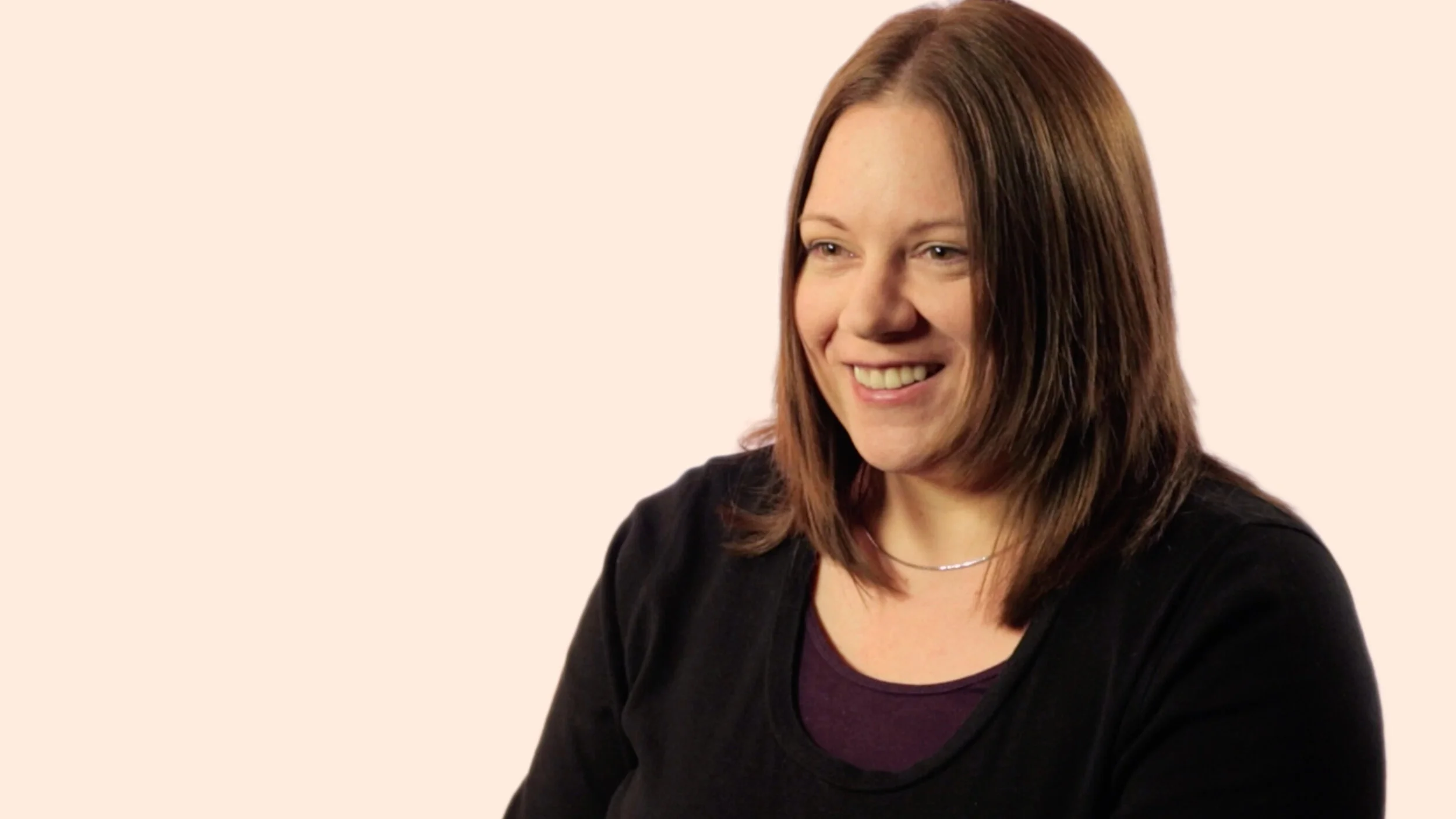
Kelly suffered from uterine fibroids and opted for a laparoscopic hysterectomy. See how Dr. Kaldas and the Kaldas Center changed her life for the better.
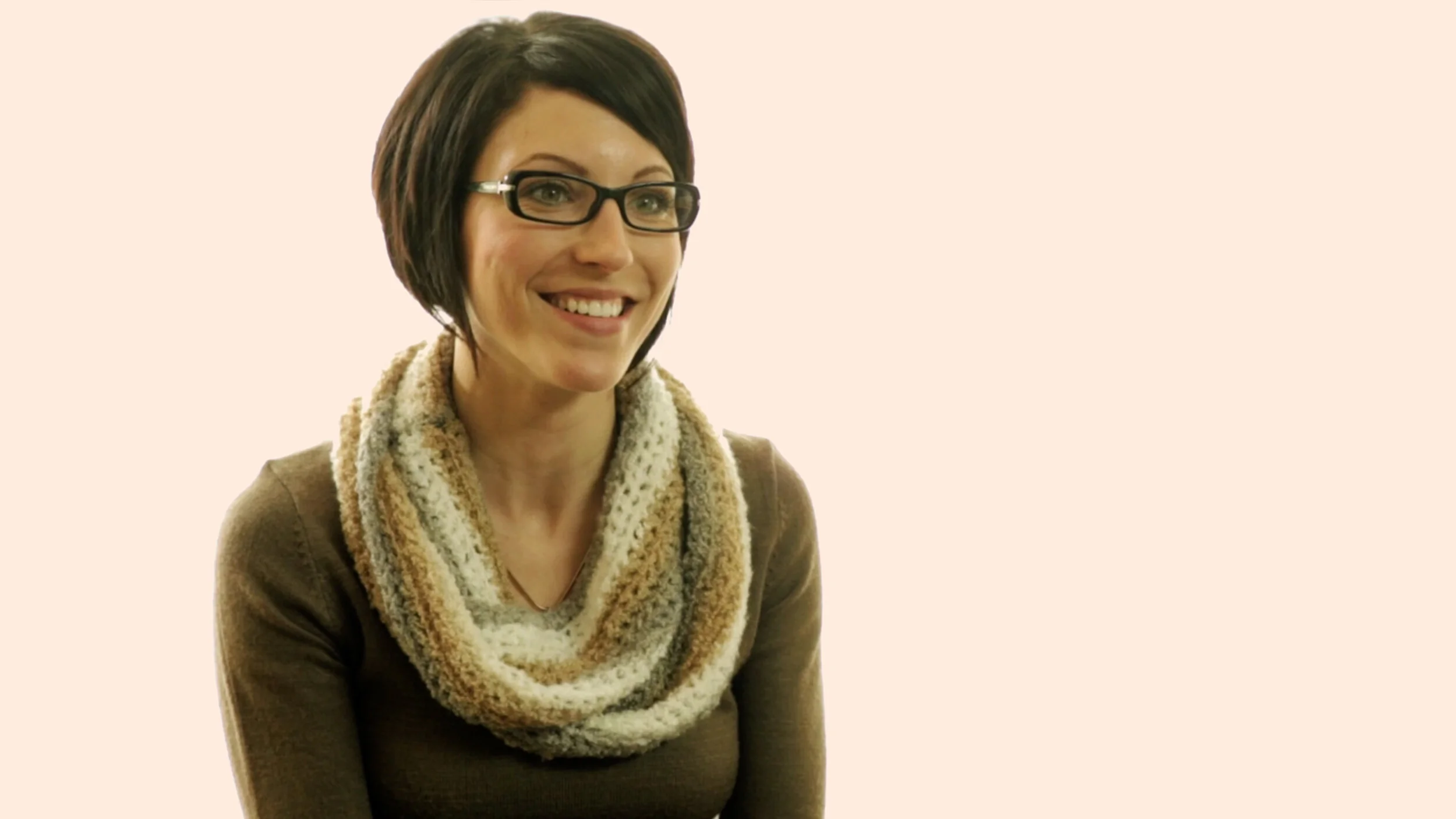
Elizabeth had suffered two miscarriages. Learn how Dr. Kaldas and the Kaldas Center diagnosed and solved her health challenges and gave her hope for the future.
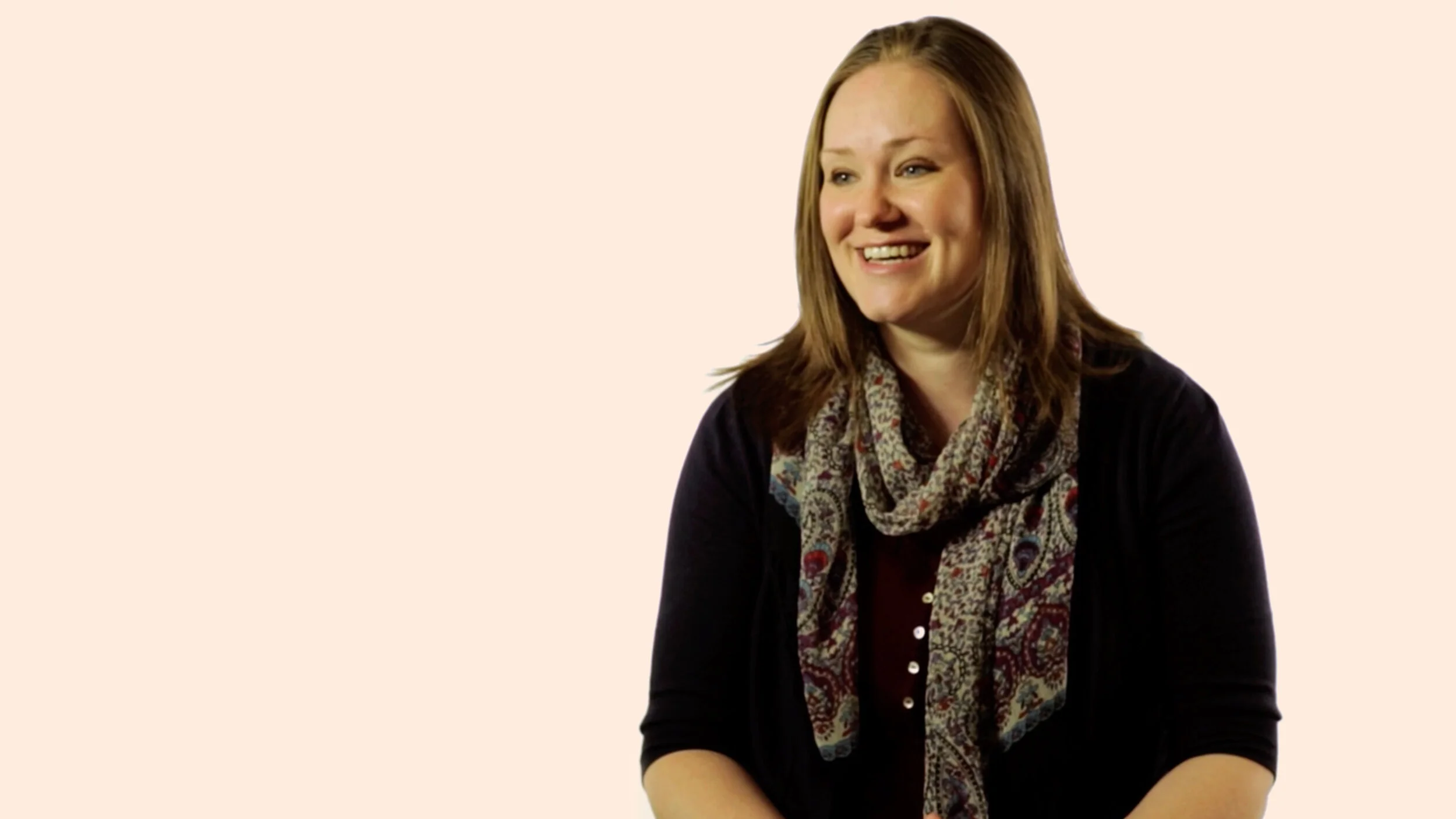
Christina couldn't get pregnant. Learn how Dr. Kaldas and the Kaldas Center identified and treated her endometriosis, leading to a successful pregnancy.
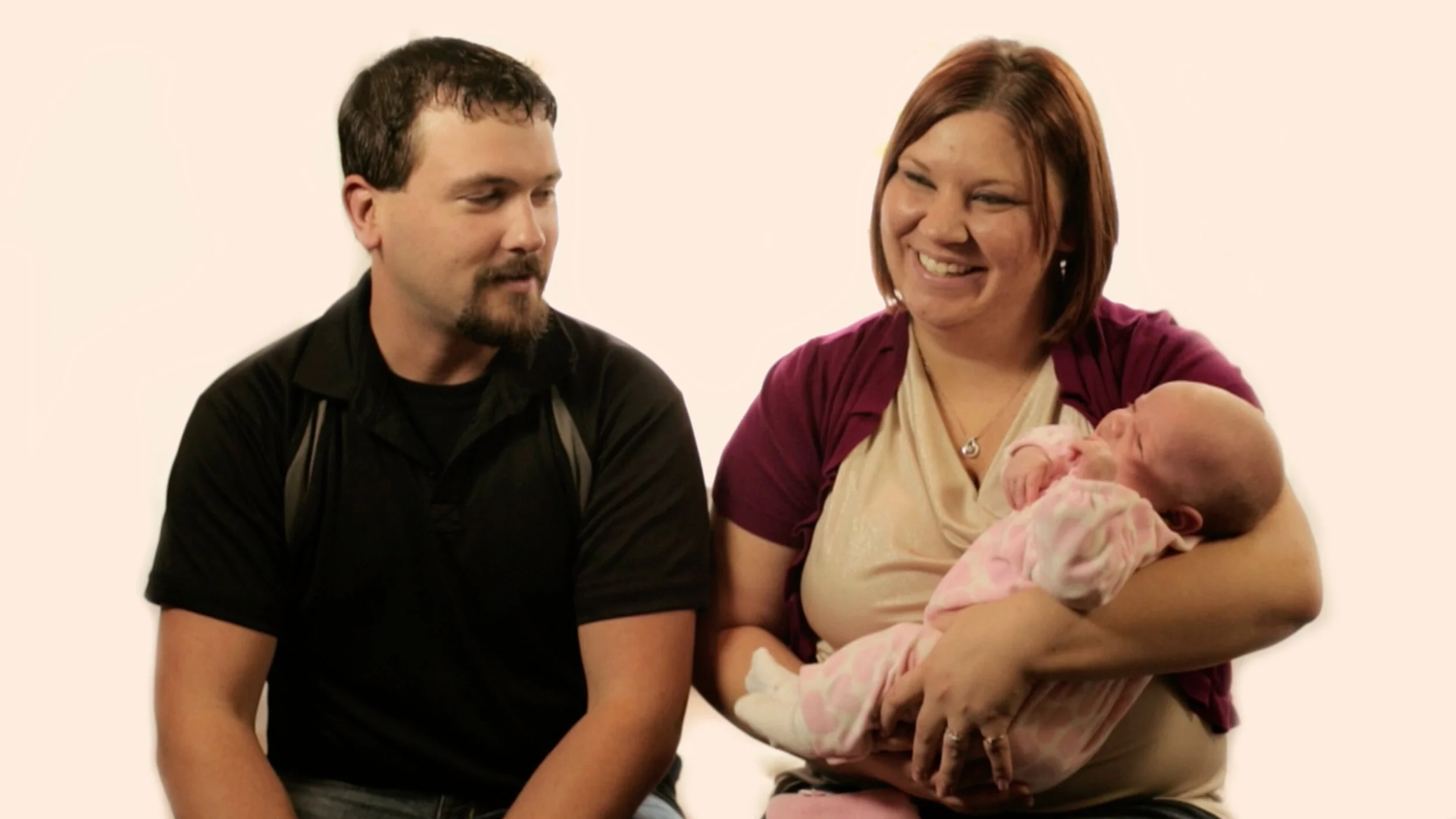
Danielle was nervous about seeing a male doctor. Learn how Dr. Kaldas won her over with his attention, compassion, knowledge, and confidence.
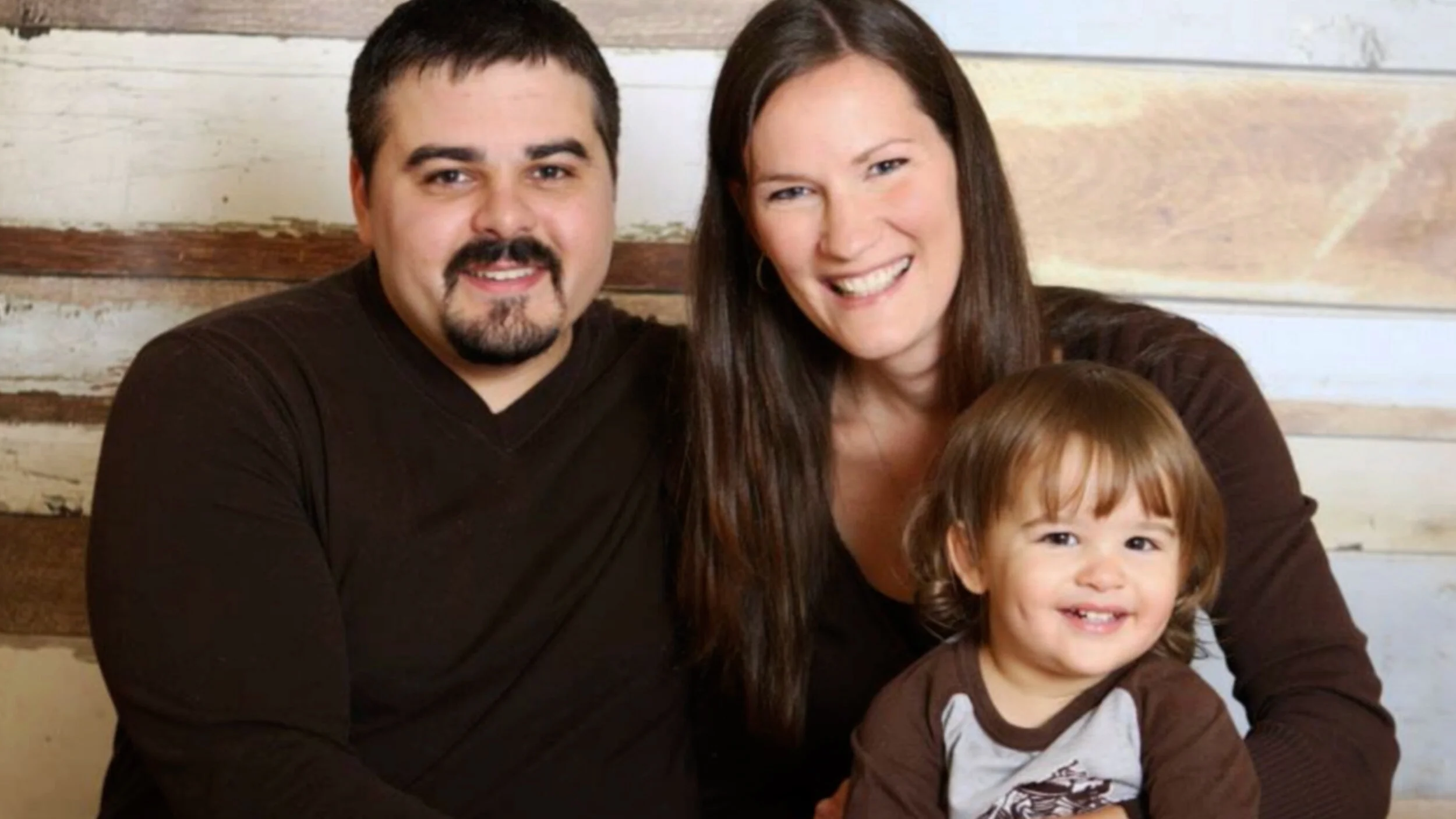
Sally was desperate to understand her pregnancy struggles. Dr. Kaldas and the Kaldas Center treated her endometriosis, making her dream of motherhood come true.
Related Articles
Blog

PMOS is about more than irregular periods or difficulty getting pregnant. Learn how PMOS, formerly PCOS, may affect hormones, insulin response, metabolism, ovulation, skin and hair, and overall reproductive health.

Persistent pelvic pain, painful periods, fertility concerns, or symptoms that haven’t improved with treatment may be reasons to seek specialized endometriosis care. Learn when it may be time for a closer evaluation.
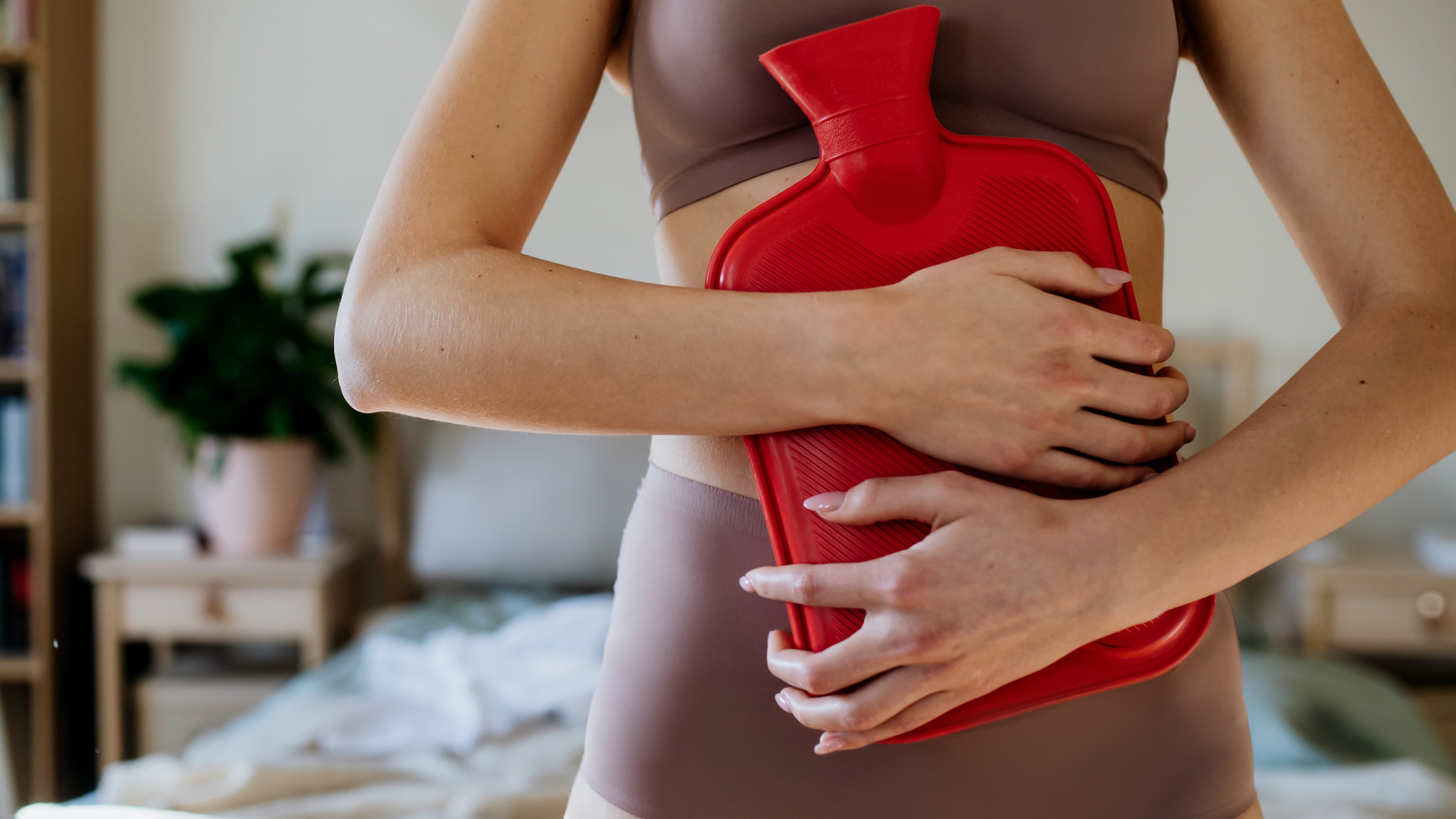
Fibroid treatment isn’t one-size-fits-all. Learn when uterine fibroids may need treatment, how fibroids are removed, and how symptoms, fibroid location, and future pregnancy goals can affect your treatment options.

Getting pregnant after 35 may take more time, but age isn’t the only factor that affects fertility. Learn when to seek help, what may make pregnancy more difficult, and what to expect from a fertility evaluation.

Researchers still don’t know exactly what causes endometriosis. Learn how genetics, hormones, inflammation, immune function, and other factors may influence how the condition develops and grows.
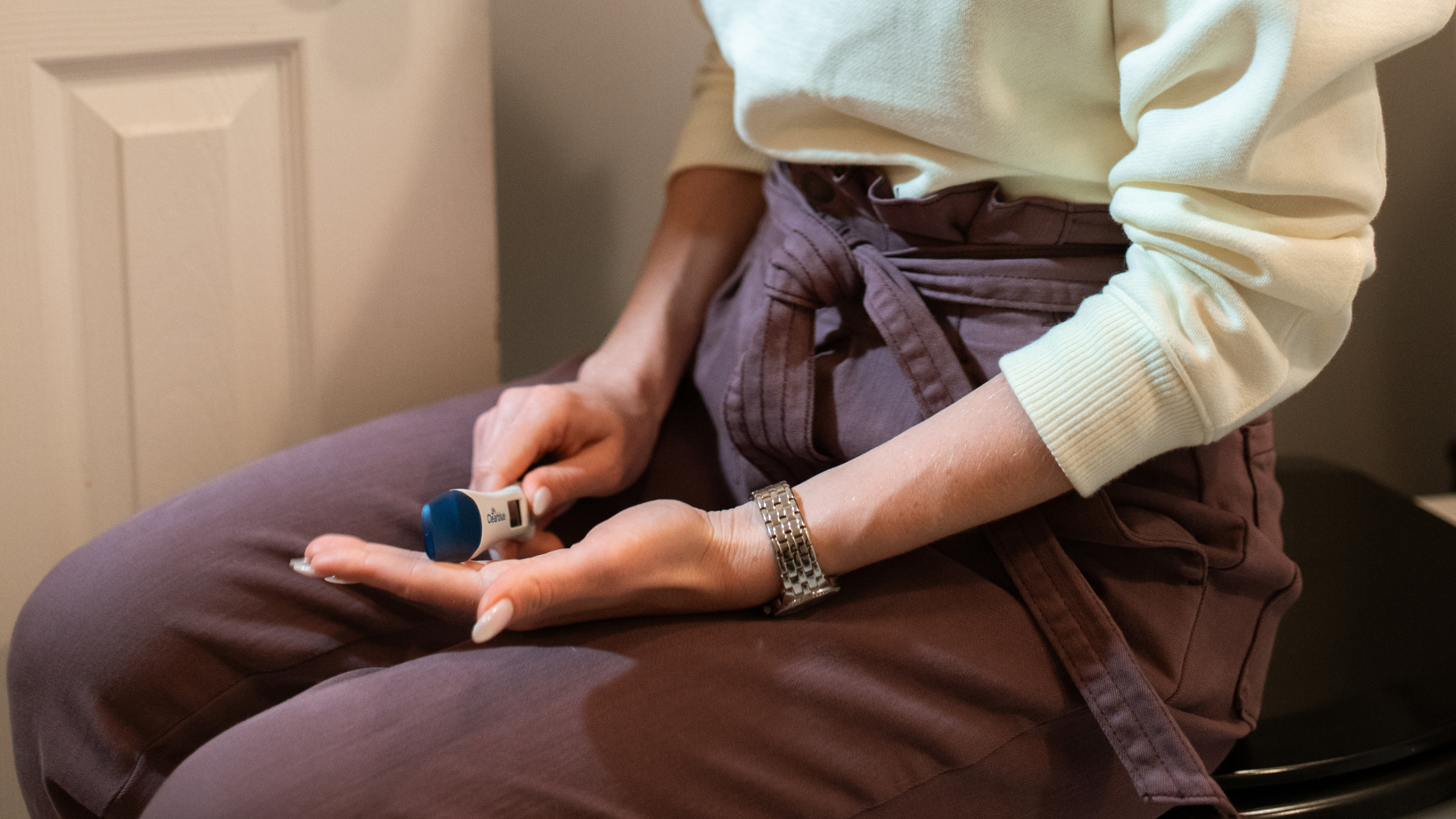
Trying to get pregnant with PMOS can feel confusing when your cycles are irregular or you aren’t sure whether you’re ovulating. Learn how PMOS, formerly PCOS, may affect fertility, when it’s worth seeking help, and how a personalized evaluation can help identify the right next step.

Irregular periods, hormone changes, and fertility struggles can be your body’s way of signaling that something deeper may be going on. PMOS, formerly known as PCOS, may be one possible explanation, but it isn’t the only one. This blog explains how PMOS may relate to cycle changes and fertility concerns, why symptoms should be evaluated together, and why finding the root cause matters before choosing the next step.

Still struggling with heavy periods and "knife-like" cramps despite an endometriosis diagnosis? You might be dealing with its "evil twin"—adenomyosis. Learn how this often-overlooked condition impacts your health and why a specialized, laparoscopic approach is the key to finally reclaiming a miraculously normal life.


Urinary incontinence is a common problem for many women, especially those who have given birth or are beginning menopause. But there’s a simple, non-invasive surgical solution that can solve the problem permanently. Read more to find out if laparoscopic Burch surgery might be the right solution for you.

Watch Dr. Rami Kaldas explain how you can start taking control of your health, a critical step in starting your journey to feeling normal and healthy again.

We recently posted an article on understanding the connection between endometriosis and infertility. If you read it and thought, "That's me!" you're probably also thinking, "Now what? Learn about steps you can take right now to get answers.
Endometriosis is more common than many people realize. It’s also a leading cause of infertility. But as common as it is, endometriosis can be a confounding condition that often takes years to diagnose. But if you pay attention to your body and talk about what you’re experiencing, you can treat endometriosis and get pregnant. There’s always hope.

We've all heard the phrase, "Be slow to speak, quick to listen." It's ancient advice that's easy to overlook in a modern world full of new information and endless distractions. But when it comes to health care, active listening is an essential skill.

When it comes to treating endometriosis, finding answers can be extremely frustrating. Even though it is a very common condition, women experience endometriosis very differently. Endo journeys are unique and personal.
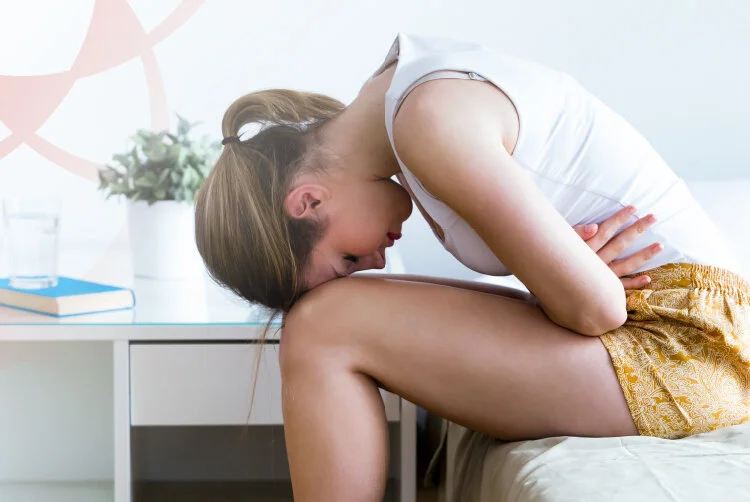
If you have ever had a period, chances are you have also experienced menstrual cramps at some level. But different kinds of pelvic pain that can feel very similar to menstrual cramps may be occurring because of conditions other than one’s cycle.

An estimated 20 million Americans have some form of thyroid disease, and a whopping 60% are unaware of their condition. In addition, women are five to eight times more likely than men to have thyroid problems.
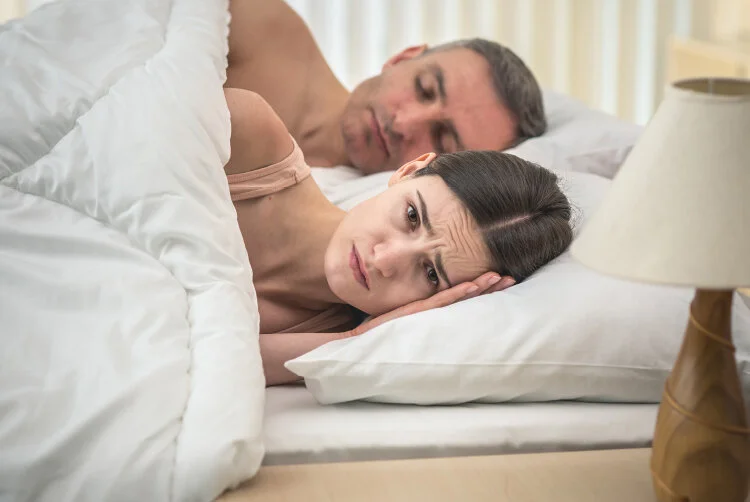
Intimacy with a partner is exciting, but what do you do when that excitement is interrupted by unexplained pain? Pain during sex can be a frustrating and unwelcome guest in the bedroom.
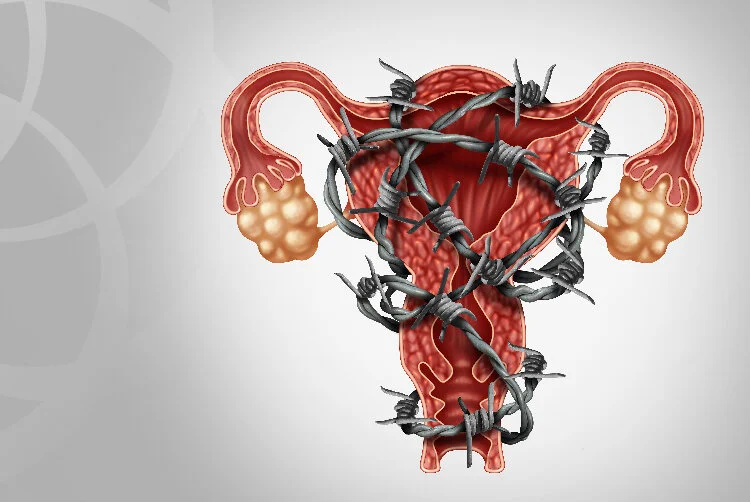
When you struggle with endometriosis, it can be extremely difficult to articulate your pain to others. While you look perfectly fine on the outside, your insides may feel like they’re on fire.

According to EndoFound.org, an estimated 200 million women worldwide are impacted by endometriosis. If you find yourself feeling alone in moments of frustration and uncertainty, you can find support through some powerful endometriosis blogs.

Have you ever wondered how big of a role your family’s medical history plays in your own health track record? It may go without saying, but it’s especially true for women’s health and the question of whether endometriosis is hereditary.
Women’s Health Week is celebrated beginning on Mother’s Day every year. It’s a great opportunity to think of new ways to take control of improving your overall health.