
Scroll

It's not always easy to start your family.
We're ready to help you make that dream a reality. Infertility is more common than you might think. According to the CDC, about twelve percent of women in the United States between fifteen and forty-four experience infertility.


Infertility is frustrating.
But here's the good news - we specialize in diagnosing the root cause of infertility and, more importantly, treating it. From your initial visit with us, we partner with you to chart a path to success. We'll complete a thorough fertility evaluation and find out exactly how we can help you become pregnant. We'll look for possible causes such as:
Endometriosis
Tubal factor
Uterine factor
Polycystic Ovary Syndrome
Diminished ovarian reserve
Age
Male causes
Combined male and female causes
Want to learn more? Explore our list of additional resources.

We offer cost-effective treatments to meet your fertility challenges.
Treatment is different for every couple. Once we understand your diagnosis, we can develop a personalized treatment plan for you. We'll take the time to explain everything and work together to choose the best treatment option, which may include medications, hormone therapy, or surgery. Regardless, we're with you every step of the way.

Patient Stories
Featured Stories
Kendal had been trying to get pregnant for over a year. Learn how Dr. Kaldas and the Kaldas Center treated her fertility challenges and changed her life.

Related Articles
Blog
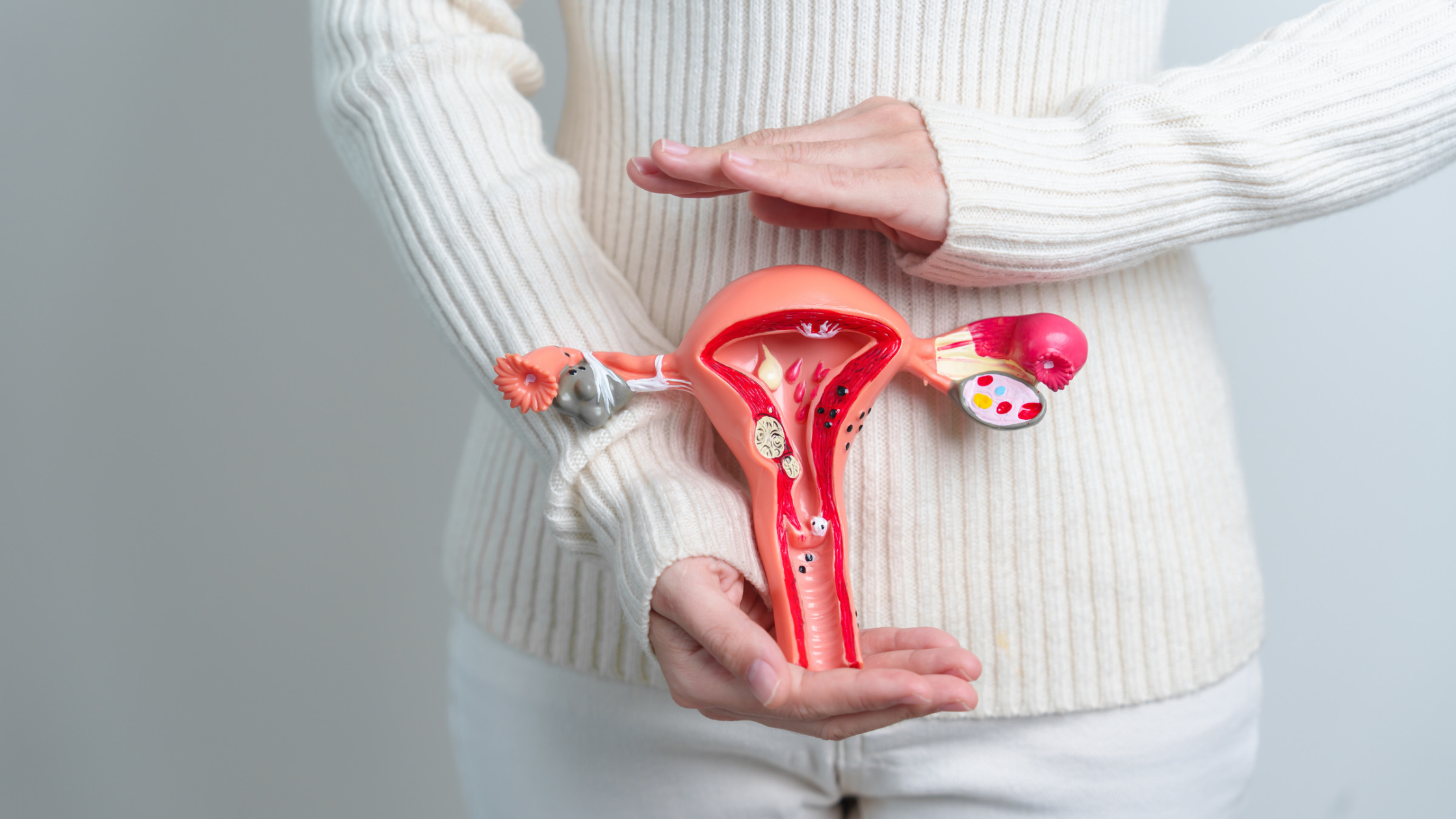
How is endometriosis diagnosed? Learn about symptoms, pelvic exams, ultrasound, MRI, laparoscopy, and why normal imaging may not always rule it out.

Learn when pregnancy loss may warrant further evaluation, what doctors may consider after repeated miscarriages, and when it may be time to seek help.

PMOS is about more than irregular periods or difficulty getting pregnant. Learn how PMOS, formerly PCOS, may affect hormones, insulin response, metabolism, ovulation, skin and hair, and overall reproductive health.

Persistent pelvic pain, painful periods, fertility concerns, or symptoms that haven’t improved with treatment may be reasons to seek specialized endometriosis care. Learn when it may be time for a closer evaluation.

Fibroid treatment isn’t one-size-fits-all. Learn when uterine fibroids may need treatment, how fibroids are removed, and how symptoms, fibroid location, and future pregnancy goals can affect your treatment options.

Getting pregnant after 35 may take more time, but age isn’t the only factor that affects fertility. Learn when to seek help, what may make pregnancy more difficult, and what to expect from a fertility evaluation.

Researchers still don’t know exactly what causes endometriosis. Learn how genetics, hormones, inflammation, immune function, and other factors may influence how the condition develops and grows.

Trying to get pregnant with PMOS can feel confusing when your cycles are irregular or you aren’t sure whether you’re ovulating. Learn how PMOS, formerly PCOS, may affect fertility, when it’s worth seeking help, and how a personalized evaluation can help identify the right next step.

Irregular periods, hormone changes, and fertility struggles can be your body’s way of signaling that something deeper may be going on. PMOS, formerly known as PCOS, may be one possible explanation, but it isn’t the only one. This blog explains how PMOS may relate to cycle changes and fertility concerns, why symptoms should be evaluated together, and why finding the root cause matters before choosing the next step.

Still struggling with heavy periods and "knife-like" cramps despite an endometriosis diagnosis? You might be dealing with its "evil twin"—adenomyosis. Learn how this often-overlooked condition impacts your health and why a specialized, laparoscopic approach is the key to finally reclaiming a miraculously normal life.

The holidays can be a sensitive time for couples dealing with fertility issues. Dr. Kaldas provides insights on handling awkward questions, information about the causes of infertility, and guidance on when to seek medical help.

Watch Dr. Rami Kaldas explain four scenarios that, if you experience them, should motivate you to find another doctor to help with infertility.


Are you considering IVF? Before you try it, take a moment to learn about why it’s so important to determine the root cause of fertility challenges before jumping into any form of treatment.

Watch Dr. Rami Kaldas explain how you can start taking control of your health, a critical step in starting your journey to feeling normal and healthy again.

We recently posted an article on understanding the connection between endometriosis and infertility. If you read it and thought, "That's me!" you're probably also thinking, "Now what? Learn about steps you can take right now to get answers.

Endometriosis is more common than many people realize. It’s also a leading cause of infertility. But as common as it is, endometriosis can be a confounding condition that often takes years to diagnose. But if you pay attention to your body and talk about what you’re experiencing, you can treat endometriosis and get pregnant. There’s always hope.

Dr. Kaldas is fond of saying, "It's never a single person who's not able to get pregnant. It's a couple." To his point, male issues are the cause of one-third of infertility cases.

We've all heard the phrase, "Be slow to speak, quick to listen." It's ancient advice that's easy to overlook in a modern world full of new information and endless distractions. But when it comes to health care, active listening is an essential skill.

According to the Center for Disease Control and Prevention, approximately 1 in 10 women will experience infertility. Maintaining a healthy diet is important at every point in a woman’s life but especially important when trying to conceive a baby.

Have you ever wondered how big of a role your family’s medical history plays in your own health track record? It may go without saying, but it’s especially true for women’s health and the question of whether endometriosis is hereditary.

The lights, the trees, the music – the holidays are in full swing. This is a time of year that brings joy to so many. But for those struggling with the intense challenges of infertility, the holidays can be a painful time of year.

Three cycles of Clomid then done. Is it time for IVF if you want a daughter or a son??? A bad song title? No, a common and potentially misleading situation experienced by patients seeking to grow their family.

Every culture has taboo topics. Topics you just don’t talk about with anyone, even your family. A major taboo subject that affects 1 in 10 couples in the United States is infertility.

Myths surrounding fertility have fascinated humans since the beginning of the human race. However, with scientific methods and research, many fertility myths have been debunked. Now you can know for sure if some of these fertility myths are true or not.
Women’s Health Week is celebrated beginning on Mother’s Day every year. It’s a great opportunity to think of new ways to take control of improving your overall health.